
Bel Œil presents the Rimadesio collections.
We love brands that know how to go beyond furniture, truly contributing to the architecture of an interior.
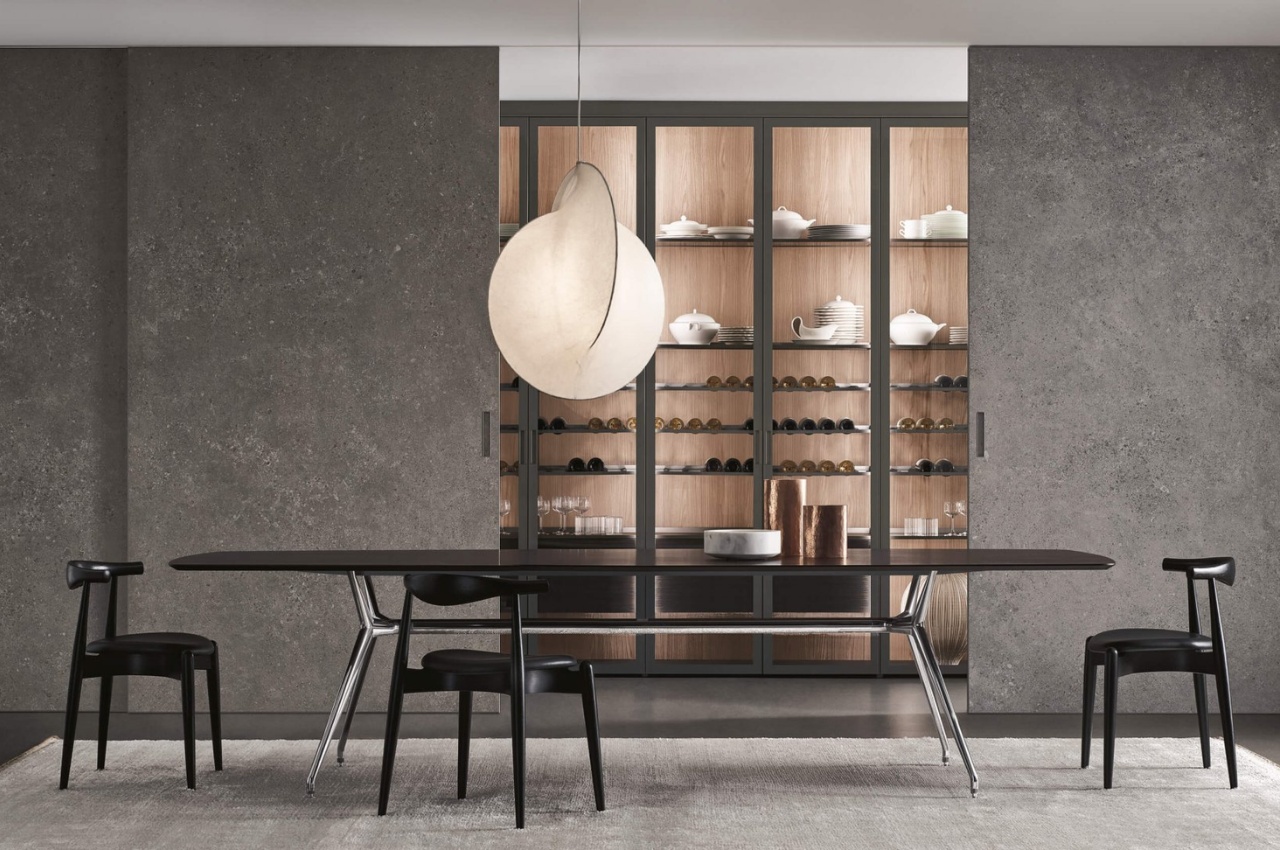
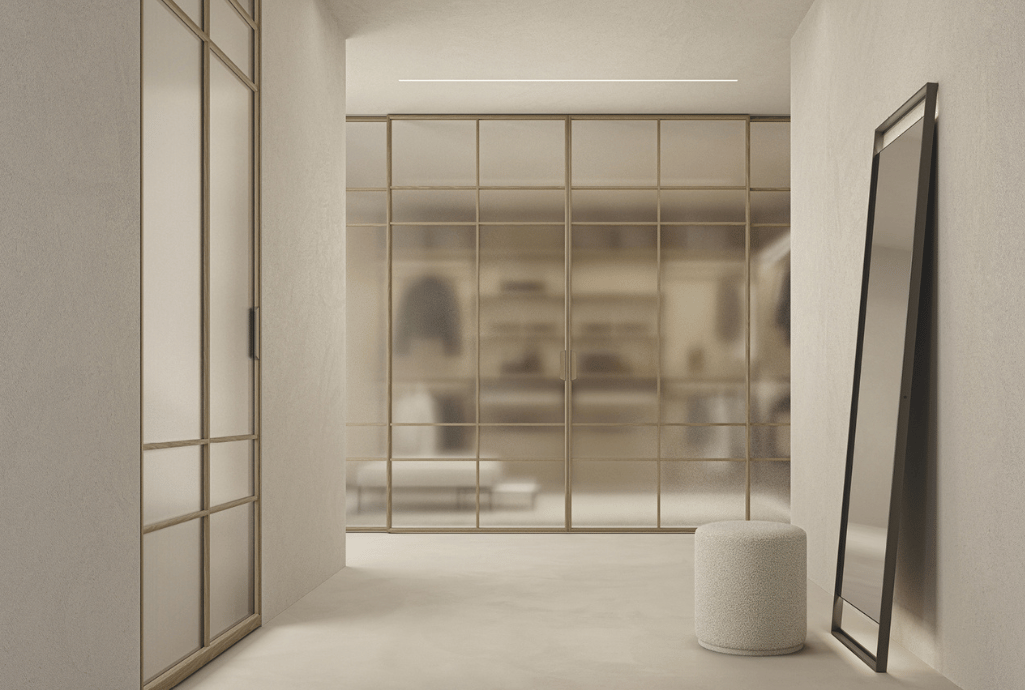
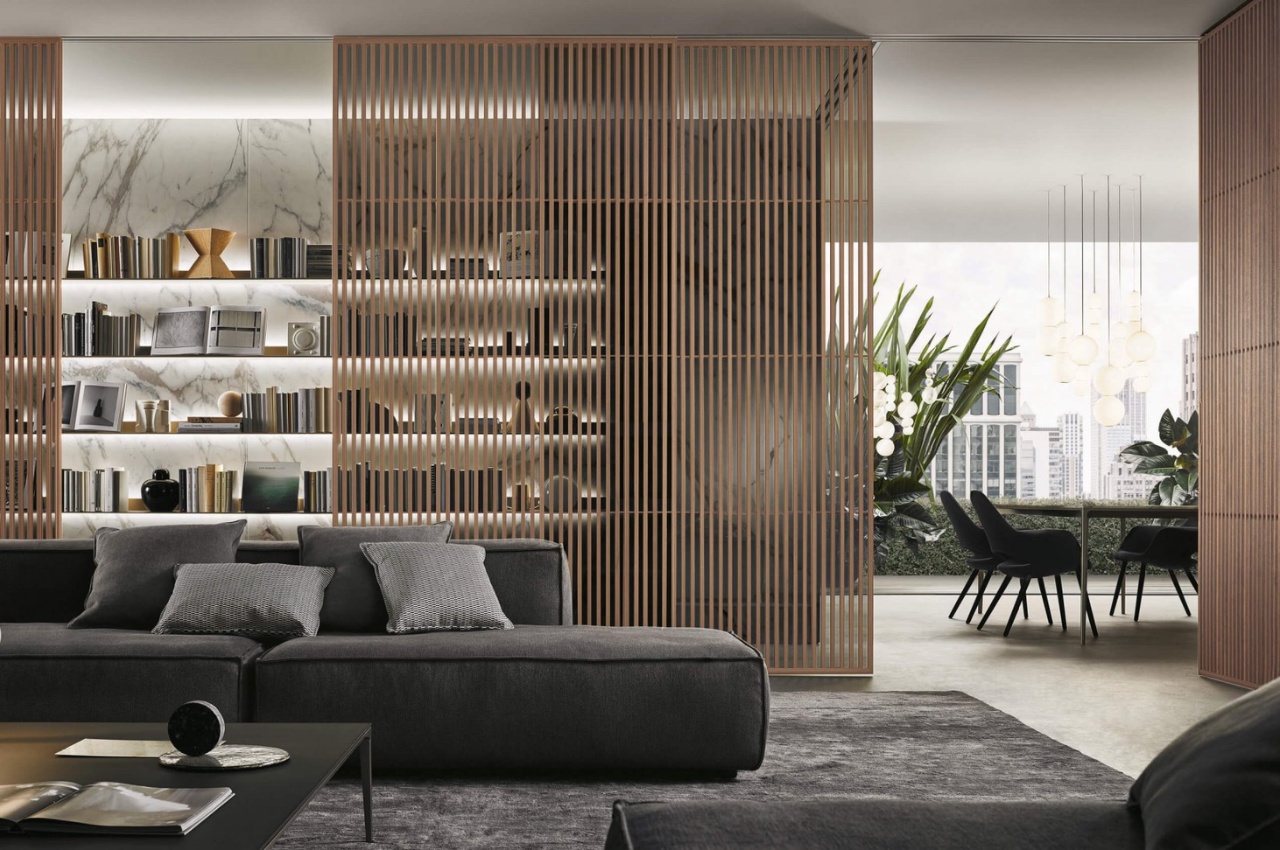
That is precisely what appeals to us about Rimadesio: doors, sliding panels, bookcases, walk-in wardrobes, storage systems and furniture that allow you to shape a space, divide it, open it up and structure it… without ever making it feel heavy.
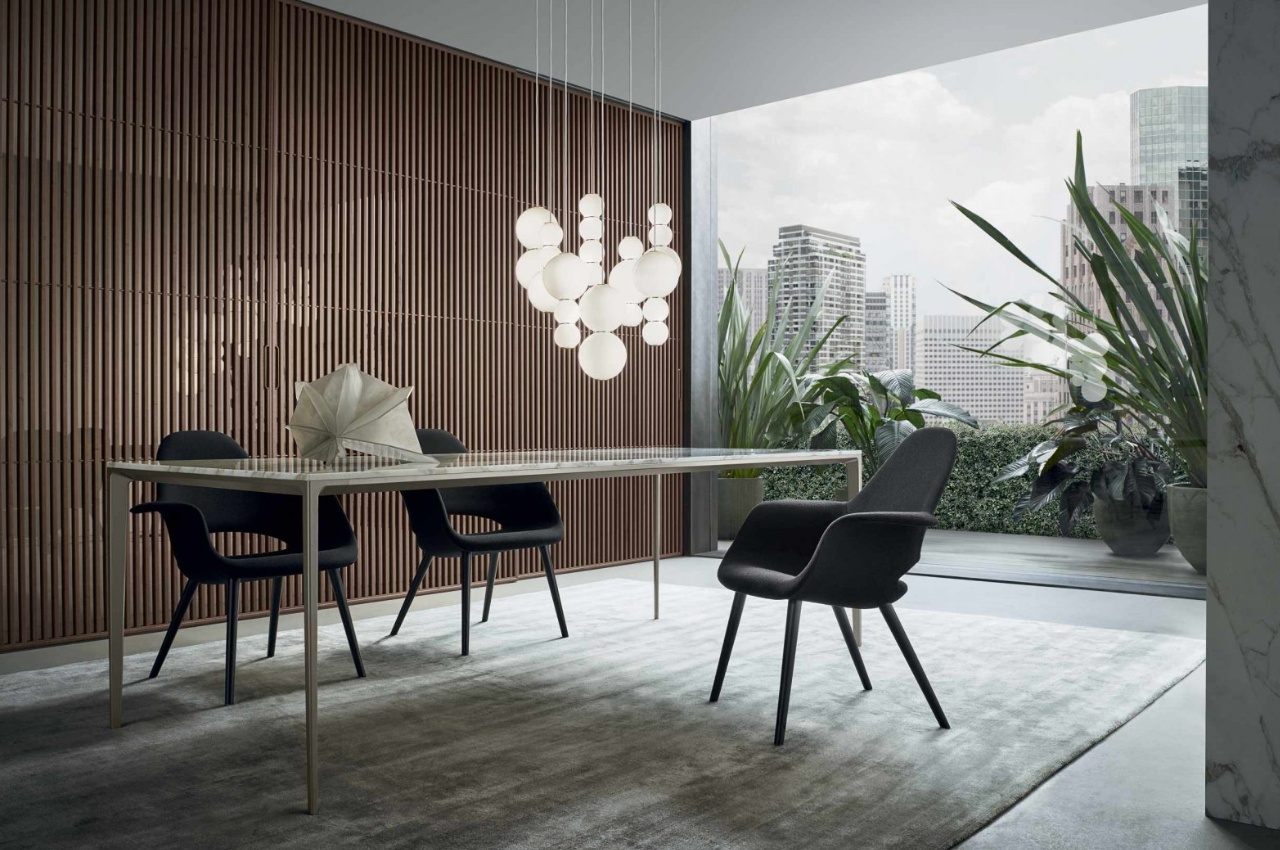
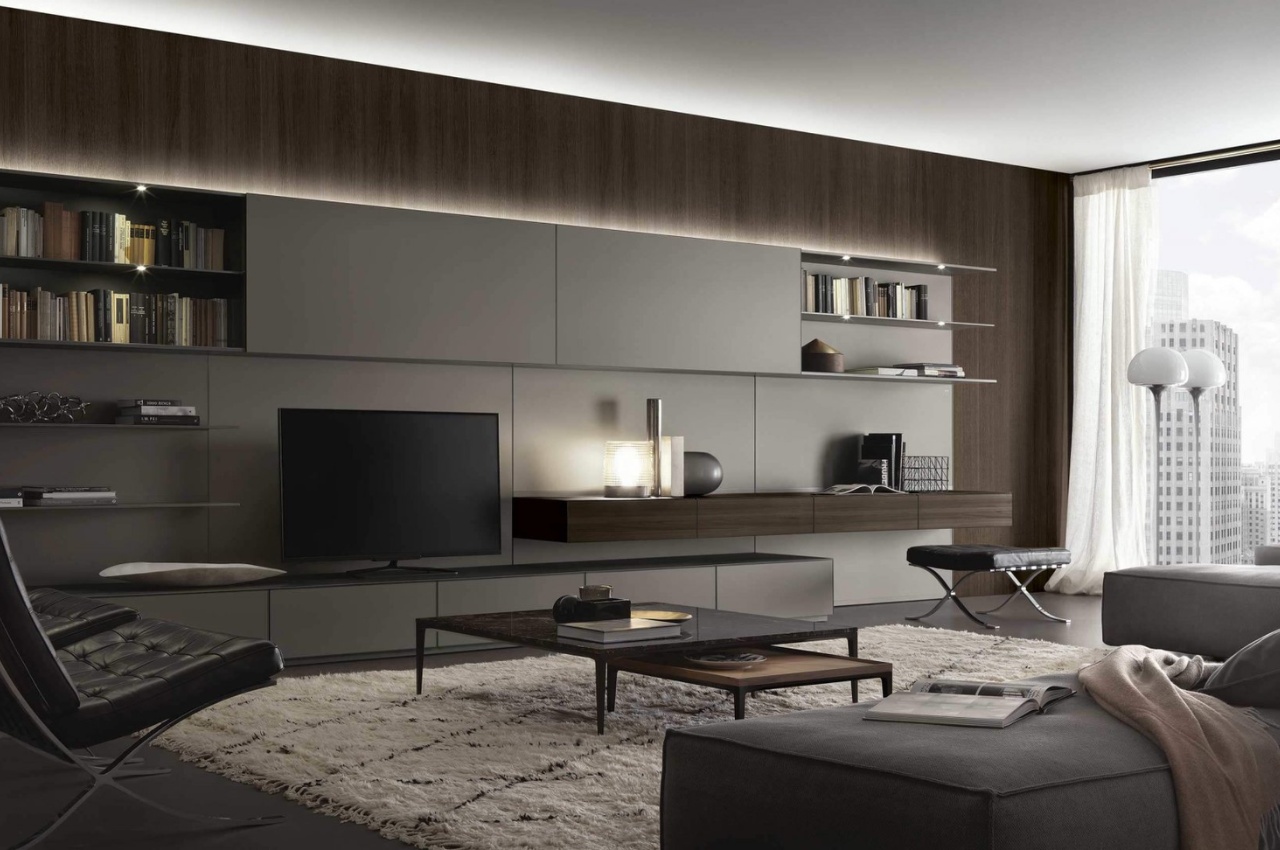
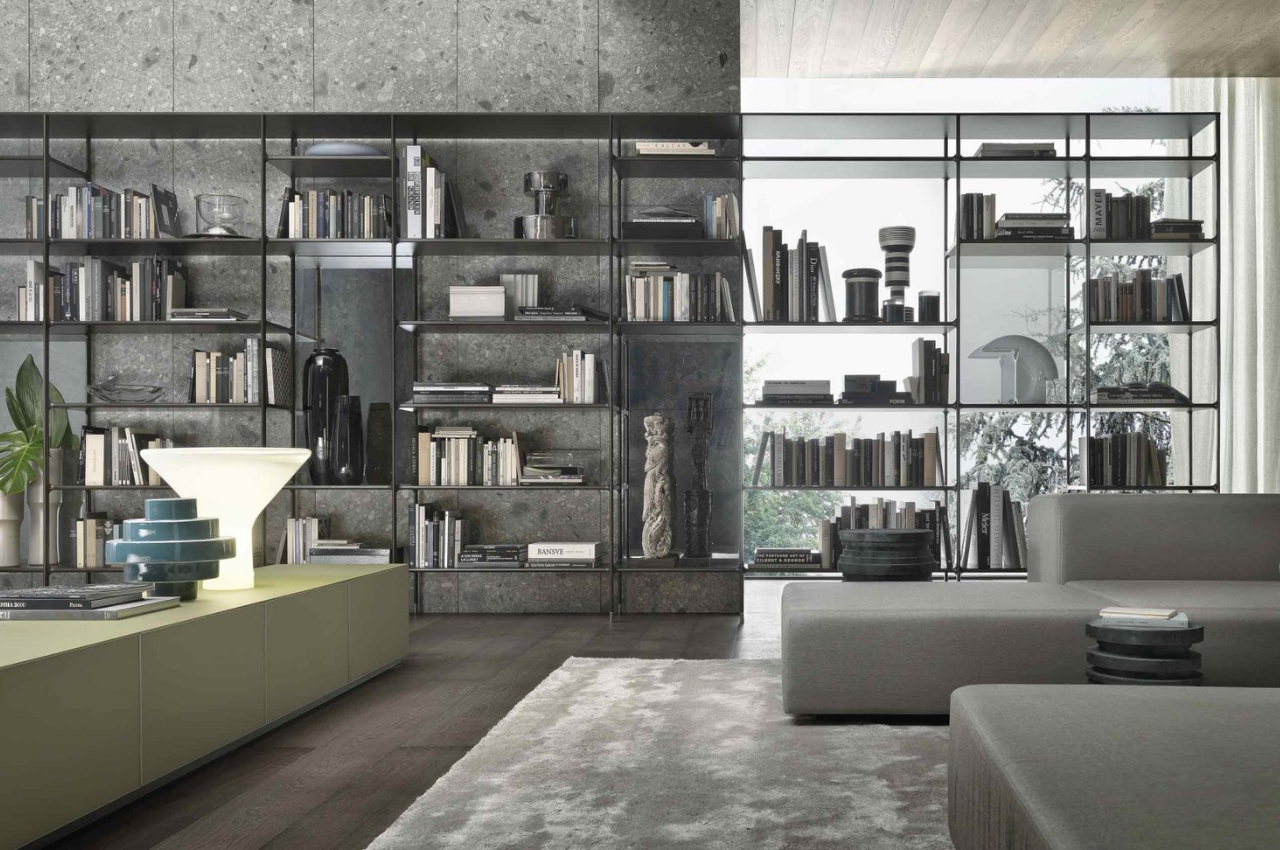
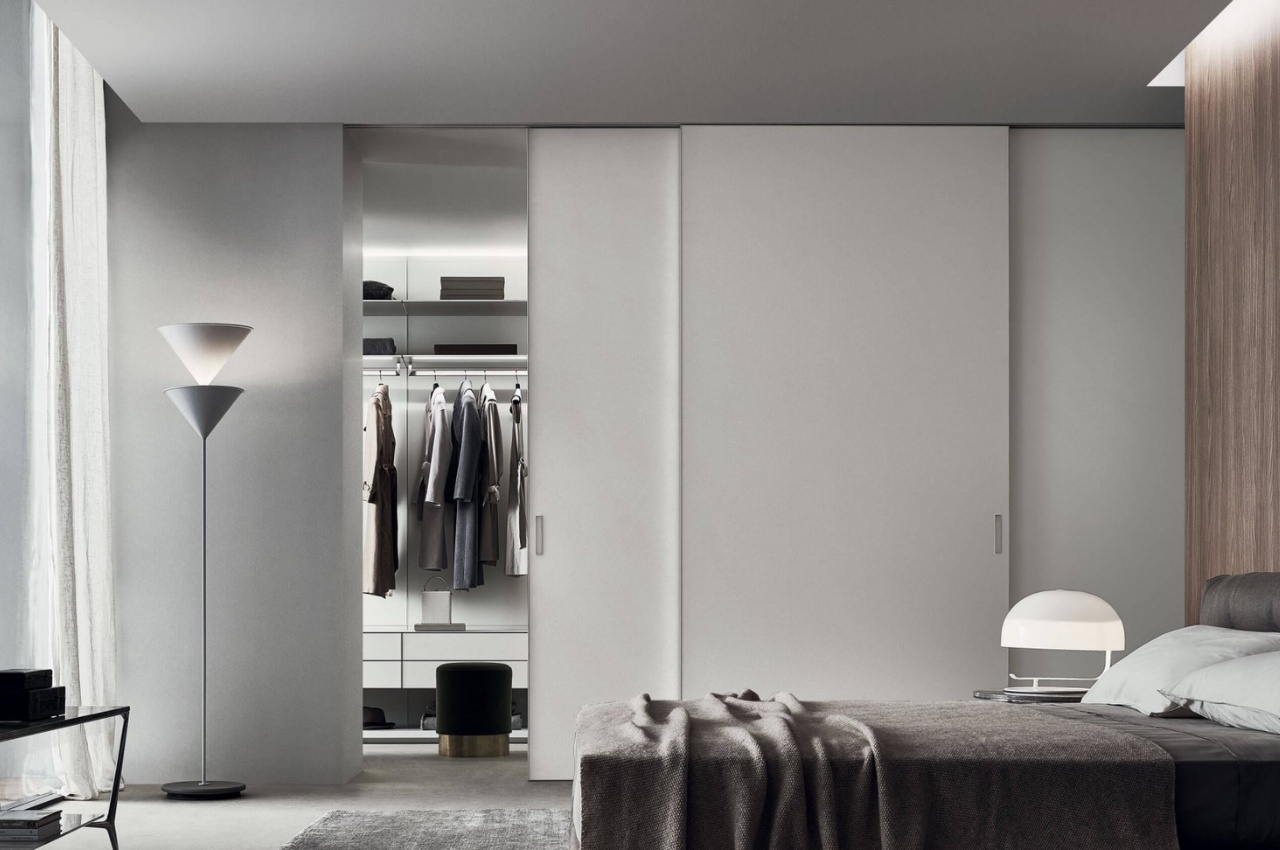


An approach that reflects our own philosophy, because at Bel Œil, we like to think about a project as a whole.
A beautiful bookcase should not simply be beautiful. It should find its place within the architecture, work with the light, engage in dialogue with the other furnishings and, above all, respond to the way people live in a home.
With Rimadesio, glass and aluminium thus become true materials of interior architecture. The wide range of finishes, bespoke dimensions and technical systems make it possible to create highly personal solutions, both for private interiors and professional spaces.
We find this same level of attention to detail in sliding door, walk-in wardrobe and bookcase projects, as well as in more independent pieces of furniture.
Zenit, for example, has become a true signature of the brand. This bookcase, designed by Giuseppe Bavuso, can extend from floor to ceiling, along a wall or into a corner, with a freedom of composition that allows it to become storage, a bookcase, a TV unit or even a walk-in wardrobe.
Velaria and Graphis Plus reveal another facet of Rimadesio: the sliding door, designed to measure with aluminium profiles reduced to the bare minimum, allowing the glass to take centre stage. A highly elegant way of separating two spaces… without truly closing them off.
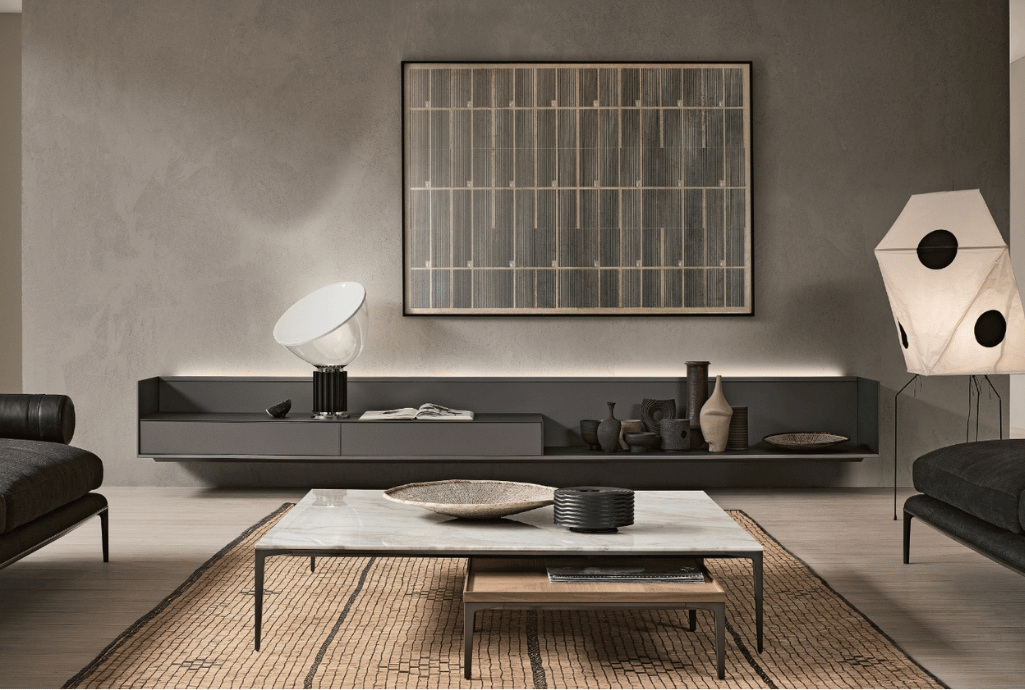
And then there is Alambra, with its display cabinets, sideboards and storage units, combining aluminium, glass and LED lighting with exceptional attention to mechanisms and details. At Rimadesio, even what remains unseen contributes to the quality of the project.

Self Plan System
Giuseppe Bavuso design
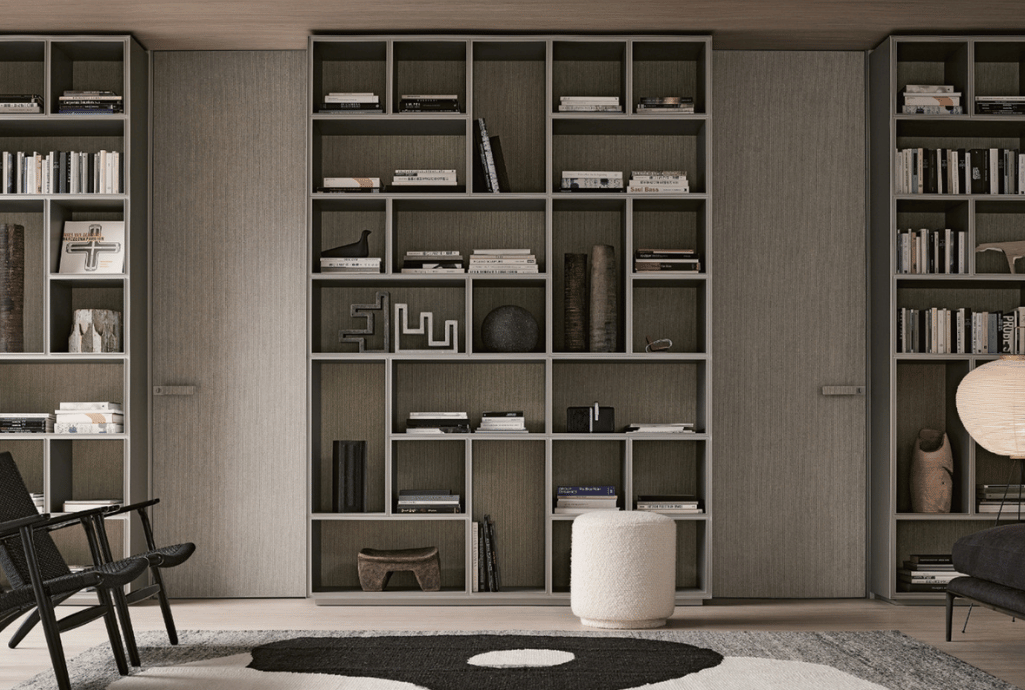
Opus Bookcase
Giuseppe Bavuso design
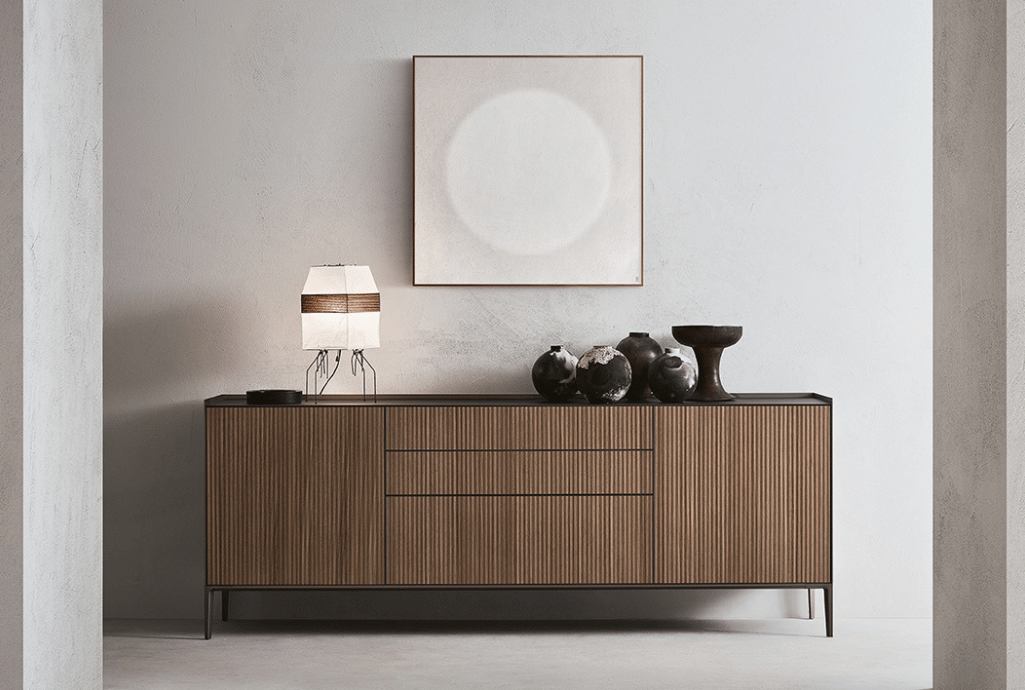
Self Up Sideboard
Giuseppe Bavuso design
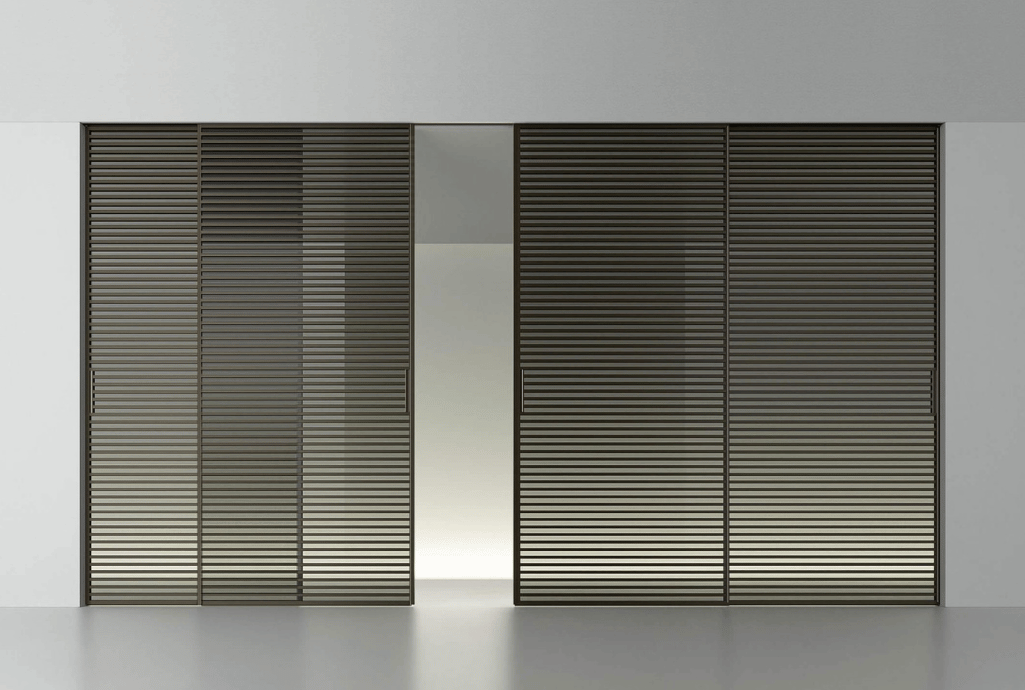
Stripe Sliding System
Giuseppe Bavuso design
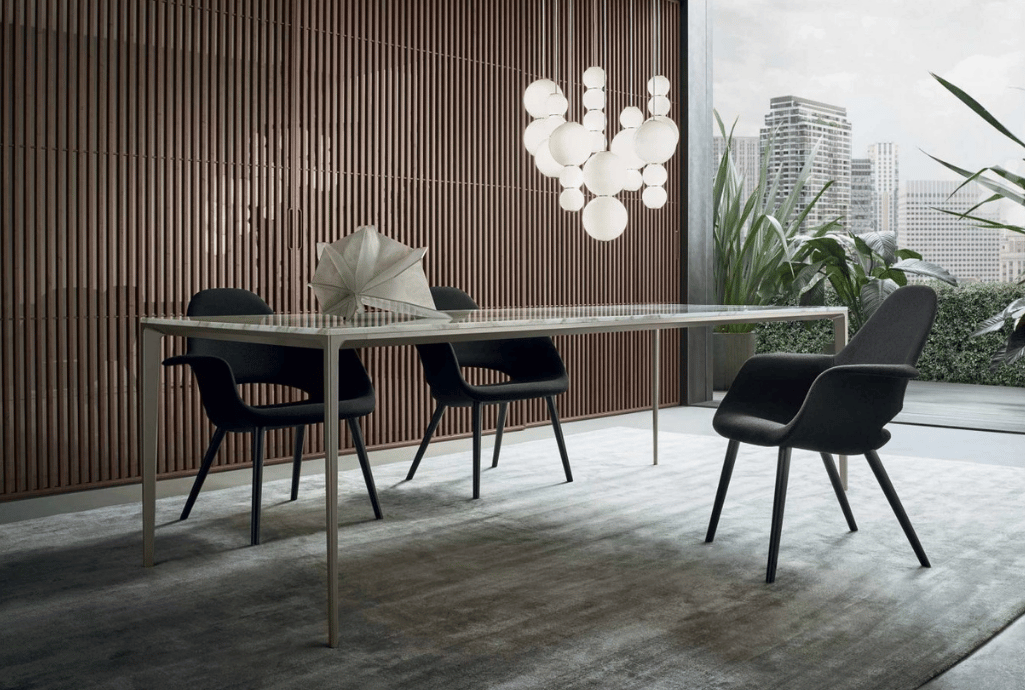
Long Island Table
Giuseppe Bavuso design
Maxi Sliding Panels
Giuseppe Bavuso design
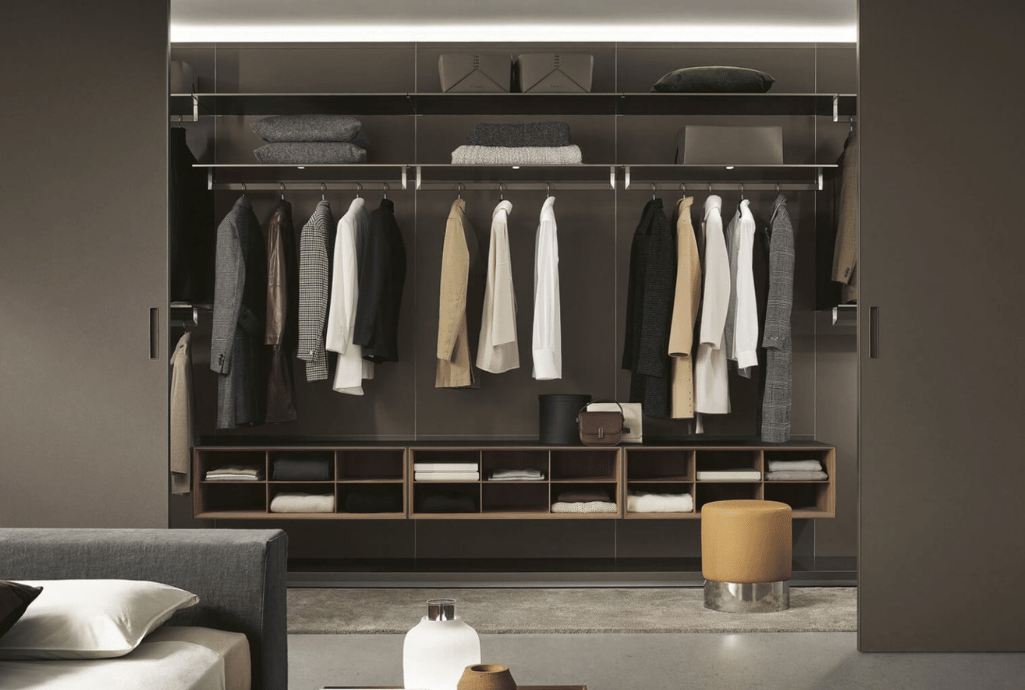
Abacus Walk-in Wardrobe
Giuseppe Bavuso design
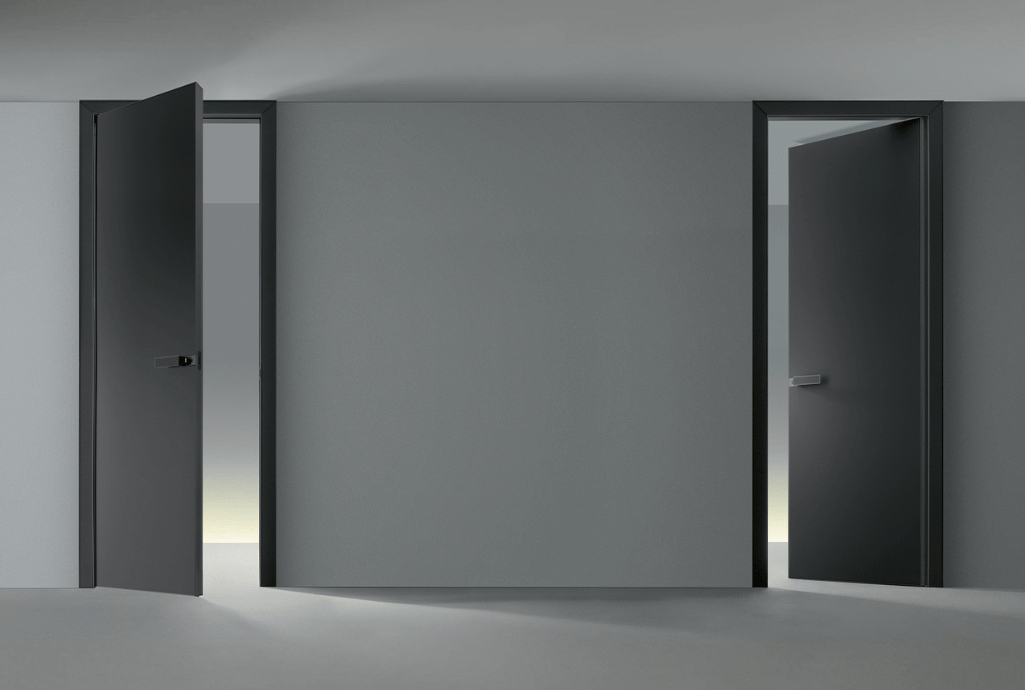
Luxor Coplanar Doors
Giuseppe Bavuso design
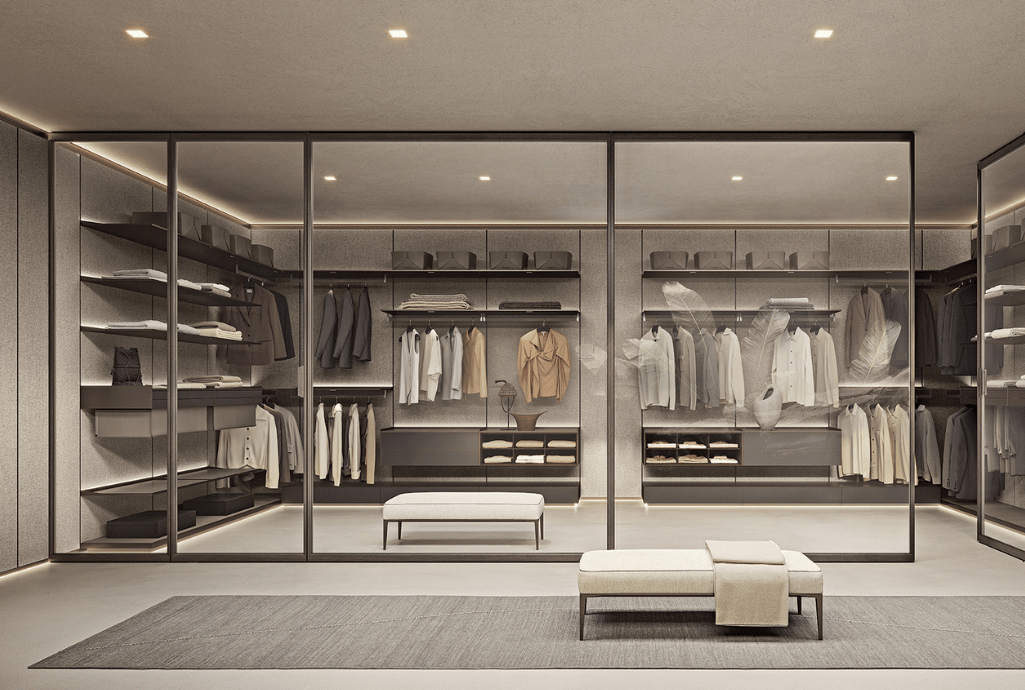
Air System Fixed Panels
Giuseppe Bavuso design
The story of Rimadesio began in 1956, in Desio, in Brianza, northern Italy. Originally, the company worked with glass. A material that would remain at the heart of its identity, but which Rimadesio would gradually combine with aluminium, wood and new technologies to develop a collection dedicated to contemporary living.
Over the years, the brand has built a true culture of systems and bespoke design. Doors and sliding panels have become architectural elements, bookcases and walk-in wardrobes have become compositions in their own right, while furniture completes an aesthetic language that has become instantly recognisable.
This evolution has been shaped in particular by architect and designer Giuseppe Bavuso, whose work is closely connected to Rimadesio’s contemporary identity. His research focuses as much on the purity of lines as on mechanisms, proportions, materials and the possibilities of composition.
In 2026, Rimadesio celebrates its 70th anniversary. A wonderful opportunity to reflect on the journey travelled since the glass-processing workshop in Desio: a collection that has become international while retaining the same desire to bring innovation, design and manufacturing quality into dialogue.
At Bel Œil, we are delighted to offer Rimadesio in our Marseille showroom and to support our clients and design professionals in their interior architecture projects, with the same attention to materials, details and overall coherence.
Because ultimately, this is what we appreciate most about Rimadesio: its ability to make the technology disappear behind the obviousness of the design. A door becomes a line within the space, a bookcase becomes architecture, a walk-in wardrobe almost disappears behind its materials… and the furniture naturally finds its place within the project.


